## I. Low-voltage intelligent systems for commercial buildings (most common)
1. **Security and surveillance sector**
Access control cabling, infrared alarms, perimeter detectors, video intercoms, and two-wire power/signal cabling for cameras; CL2 cables are standard for security systems in office blocks, shopping centres, hotels and hospitals.
2. **Fire alarm sector**
Low-voltage signal cables for smoke detectors, temperature sensors, manual call points, audible and visual alarms, and fire alarm interlock modules (excluding main fire alarm trunk lines, which typically use FPL); CL2 is used for local secondary fire alarm circuits in small retail premises and office buildings.
3. **Building Automation and HVAC Industry**
Low-voltage control cables for central air-conditioning thermostats, fan coil units, electric valves, temperature and humidity sensors, and building DDC controllers; The vast majority of wiring for residential and commercial air-conditioning thermostats consists of CL2-rated UL13 cables.
4. **Public Address & Audio-Visual Industry**
Background music systems, hotel guest room audio systems, connection cables between amplifiers and loudspeakers in meeting rooms, and home cinema speaker cables; in North America, the installation of CL2 cables within walls is mandatory for domestic audio systems.
5. **Smart Lighting Control**
Dimming modules, sensor lights, curtain motors, and low-voltage control signal cables for smart building switches.
## II. Residential Property/Home Renovation Sector
New-build homes and fully-fitted villas in North America:
- In-wall installation of audio speaker cables, whole-house smart home control cables, security doorbell/alarm circuits, and central air-conditioning thermostat wiring;
- Installation is limited to standard partition walls and suspended ceilings; ductwork and ventilation ceilings require an upgrade to CL2P, whilst vertical service shafts must use CL2R.
## III. Hotels, Retail, Entertainment and Tourism Sectors
Centralised low-voltage control systems for hotel guest rooms; shopping centre public address systems; KTV sound systems; cinema audio-visual cabling; temporary low-voltage control circuits for exhibition and conference venues; Small-scale fire protection, access control and CCTV cabling for retail premises.
## IV. Healthcare Buildings
Hospital ward call systems, outpatient department access control, automatic temperature and humidity control in operating theatres, and low-voltage signal connection cables for medical equipment; non-life-safety trunk circuits (life-safety trunk circuits must use higher-grade dedicated fire-resistant cables).
## V. Light Industry (standard factory buildings, excluding high-risk explosion-proof zones)
1. Low-voltage sensors for small factory equipment, PLC remote I/O control cables, and temperature and humidity sensing circuits in workshops;
2. Warehousing and logistics: security detection for shelving, automatic doors, and motor control cables for roller shutters;
> Note: CL2 is not suitable for explosion-proof workshops in the chemical, oil and gas industries; specialised explosion-proof cables are required.
## VI. Educational, Government and Corporate Office Buildings
Classroom public address systems in schools; campus access control; environmental monitoring in server rooms; low-voltage automation systems in government buildings; audio-visual cabling in meeting rooms.
## Supplementary Distinction: Application Boundaries for CL2 and CL2R/CL2P (Key to Industry Selection)
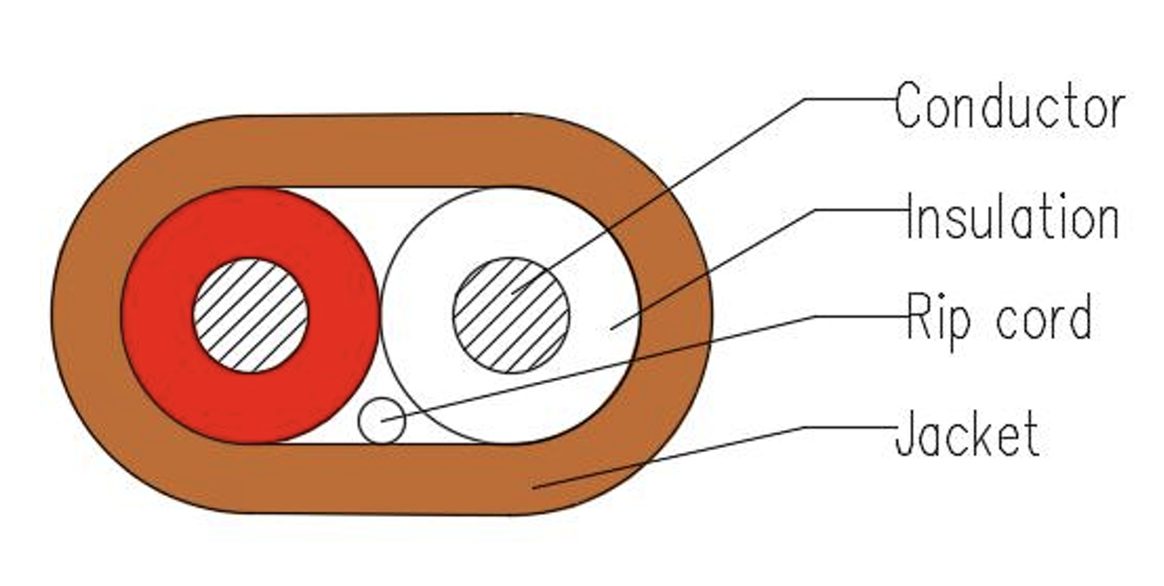
1. **Pure CL2 (model in this question)**: For standard indoor environments only; not for air ducts, vertical shafts or dense cabling in large cable trays; most commonly used in single-storey office walls, standard suspended ceilings and inside equipment cabinets.
2. CL2R: Vertical shaft cabling spanning multiple storeys (high-rise hotels, multi-storey office buildings).
3. CL2P: Air-conditioning ducts/static pressure ceilings, ventilation voids (large shopping centres, ventilation ceilings in server rooms).
4. CL2X: Short-distance internal cabling within equipment (exposed length ≤ 3 metres).
## Core Common Features
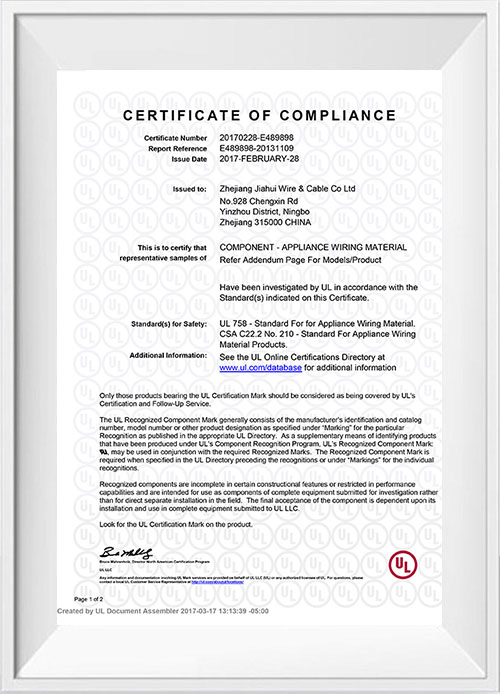
Across all sectors, these are **low-voltage, limited-power Category 2 circuits** (within 300 V, low energy, no high-voltage power loads), transmitting only control signals and supplying low-power, low-voltage power. They comply with the UL 13 safety standard for limited-power cables and meet the mandatory flame-retardant requirements of North American building electrical regulations.

 ENGLISH
 简体中文
 GERMAN
 SPAIN

 +86 181-5747-1135

 Abroad:+86 181 5747 1135
 FAX: +86 574 8900 7636
 E-mail:

 read the map

